
「一分錢一分貨」這句話,天天都用得上,英文怎麼說?
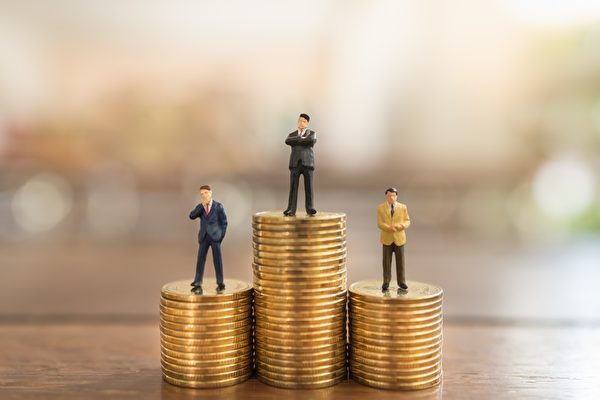
最直接的一句:You get what you pay for
這是最直接、最口語的對應,字面就是「你付多少錢,就拿到多少東西」。
例:Their service is cheaper, but the signal is patchy. You get what you pay for.
(他們家便宜,可是訊號斷斷續續。一分錢一分貨。)
但這句話有個語氣陷阱,很多人不知道,它常有「早跟你說了吧」的味道。朋友剛買了便宜貨、正在懊惱,你回一句You get what you pay for,聽起來就是「活該,誰叫你貪便宜」。
要講得溫和一點,不妨改成第一人稱說你自己:
I’ve learned you get what you pay for.
(我學到教訓了,便宜真的沒好貨。)
I guess you really do get what you pay for.
(看來一分錢一分貨這話是真的。)
After three cheap blenders in two years, I’ve learned you get what you pay for.
(兩年換了三台便宜攪拌機,我學到教訓了。)
I used to buy the cheapest tires. Never again. You really do get what you pay for.
(我以前都買最便宜的輪胎。再也不了,一分錢一分貨是真的。)

另外三種說法
1. Quality comes at a price.(好品質本來就要付代價)
Verizon is more expensive, but quality comes at a price.
(Verizon是要貴點,但好品質就是要付出代價啊。)
The Japanese knife costs three times more, but quality comes at a price.
(那把日本刀貴了三倍,但好東西就是要付代價。)
Everything here is handmade, so it’s slow and it’s not cheap. Quality comes at a price.
(這裡全是手工做的,所以慢,也不便宜。好貨自有代價。)
2. It’s a false economy.(這是假省錢)
這個字組值得學。詞典的解釋是:一開始省了錢,長期算下來反而更花錢,明省暗貴。
Buying the cheapest printer is a false economy—the ink costs a fortune.
(買最便宜的印表機是假省錢,墨水貴得嚇人。)
Skipping the annual service on your car is a false economy.
(省下每年的定期保養,是假省錢。)
3. Penny-wise and pound-foolish.(撿了芝麻丟了西瓜)
老一點的諺語,「省小錢,賠大錢」,適合用在提醒別人的時候。
He drives 20 miles to save 10 cents a gallon—penny-wise and pound-foolish.
(他為每加侖省一角錢,開20哩去加油,撿芝麻丟西瓜。)
Skipping insurance to save a few dollars a month is penny-wise, pound-foolish.
(為一個月省幾塊錢不保險,省小錢賠大錢。)
英國人日常經常說:Buy cheap, buy twice(買便宜的,就得買兩次)。也是這個邏輯。
反義句:「便宜又大碗」怎麼說?
有一分錢一分貨,就有花小錢辦大事。
1. Bang for your buck
詞典解釋為「花的錢換回來的價值」,也就是我們說的CP值。
This phone gives you the most bang for your buck.
(這支手機CP值最高。)
If you want bang for your buck, buy last year’s model.
(想要CP值,就買去年的型號。)
2. Value for money
英式用法,物有所值。
The lunch set is great value for money.
(這個午餐套餐物有所值)
Is it good value for money?
(這划算嗎?)
3. Worth every penny
每分錢都花得值。
The extra $30 a month for reliable service? Worth every penny.
(另外多花30刀買可靠服務?這錢值得花)
一分錢一分貨,有時候買的並不是東西本身,而是別人塞車時你不必塞。
再加三句
1. What a rip-off!(太坑人了)
$12 for a bottle of water at the airport? What a rip-off.
2. That’s a steal.(太划算了)
$60 for two lines? That’s a steal.
3. You’re just paying for the name.(你買的只是那個牌子)
用來吐槽名牌溢價,跟「一分錢一分貨」剛好唱反調。@*
作者簡介:老哈利在中國大陸有超過15年的一線教學經驗,曾在新東方英語等英語培訓機構教授雅思、托福等課程,並創辦自己的英語培訓學校,所開設之「中老年實用英語班」廣受學員歡迎。移民美國後特在此開設「新移民實用美語」欄目,希望您在此學到英語教科書上不教的、免費英語班上外教不講的一些最實用的零基礎英語,助您儘快融入北美社區生活。
來源:大紀元:https://www.epochtimes.com/b5/26/9/3/n14842056.htm