(編者注:本文章為作者個人觀點,不代表本報意見。)
親愛的川普總統:
有一件事您是對的:美國絕不應該失去其科技領導地位。
半導體不只是另一個產業而已。它是經濟繁榮、國家安全、軍事實力、人工智慧,以及所有將定義二十一世紀創新的基礎。每一位美國人都有權利追問:過去數十年來,美國為何失去了如此多的半導體製造能力?
越來越多美國人被告知,台灣奪走了美國的半導體產業。然而事實是——台灣並沒有奪走美國的半導體產業。台灣幫助美國守護了它。
身為一位台灣人,一位曾長期投身科技產業、目前正在美國研究半導體人才與產業競爭力的人,我認為這種說法恰恰顛倒了歷史。在回答這個問題之前,我們應該先確認自己是否真正理解了這段歷史。而要理解原因,就必須回到台灣半導體產業成功的起點。
台灣半導體產業之父張忠謀,本身就是美國體系培養出來的人才。在1987年創立台灣積體電路製造公司(TSMC)之前,他曾在美國半導體先驅企業德州儀器(Texas Instruments)服務長達二十五年。
從許多角度來看,台積電並不是建立在挑戰美國科技領導地位的基礎上。恰恰相反,它是建立在美國科技領導地位所奠定的基礎之上。美國與台灣之間的關係,從來不是偷竊與被偷竊的關係。而是合作與共創的關係。
在1980年代與1990年代,半導體產業面臨巨大挑戰。先進製造的成本快速攀升,興建與營運最先進晶圓廠所需的資本與專業能力,已遠超過過去任何時期。
當時,美國企業面臨一個重要選擇。它們是否應該繼續凡事親力親為?還是應該把資源集中於創新、設計、軟體、架構與智慧財產,同時與值得信賴的製造夥伴合作?
這個選擇改變了整個產業。
台積電開創了純晶圓代工(Pure-Play Foundry)模式。它不與客戶競爭,而是專心替客戶製造晶片。這個看似簡單的創新,後來成為科技史上最重要的商業模式之一。正因如此,一整個世代的美國企業得以崛起。
如果沒有台灣,美國的無晶圓廠(Fabless)革命將困難得多。Qualcomm、AMD、NVIDIA 等企業,得以專注於設計改變世界的技術,而不必承擔擁有與營運先進晶圓廠所需的龐大成本。
台灣不但沒有削弱美國的領導地位。它讓美國的領導地位得以延續。
看看 NVIDIA。今天的 NVIDIA 位於全球人工智慧革命的核心。它的晶片驅動著世界各地的人工智慧系統。然而 NVIDIA 並沒有擁有先進晶圓廠。它專注於創新,同時仰賴台積電卓越的製造能力。
這種合作模式並沒有削弱美國。它反而成就了美國史上最成功的科技企業之一。
這份成就應該歸功於誰?答案很明顯。
雙方都值得。
沒有美國的創新,就不會有這些晶片。沒有值得信賴的製造能力,就不會有這些產品。
這不是一方勝利、另一方失敗的故事。這是一個合作成功的故事。
整個半導體產業生態系都遵循同樣的模式。美國在晶片設計、軟體、設備與智慧財產方面領先全球。台灣則在先進製造領域居於領先地位。雙方各自發揮不同優勢。共同打造出一套至今沒有任何國家能完全複製的產業體系。數十年來,正是這種合作關係,讓美國得以維持全球科技領導地位。
還有另一個重要事實值得記住。台灣半導體產業的成功,來自美國的開放、美國的教育,以及美國的科技領導地位。四十年後,台灣成為美國最重要的科技戰略夥伴之一。很少有投資能帶來如此豐厚的回報。
美國幫助建立的,不是一個競爭對手。而是一個盟友。而這個盟友,在過去數十年間協助美國維持全球科技領導地位。
因此,今天真正重要的問題,並不是美國是否應該強化自己的半導體製造能力。答案當然是肯定的。更具韌性與安全性的供應鏈,同時符合美國與台灣的利益。
真正的問題是:值得信賴的盟友,應該被視為夥伴,還是被視為對手?
歷史已經給出了答案。台灣從未試圖取代矽谷。台灣從未試圖成為下一個 NVIDIA、Apple、Qualcomm 或 Intel。台灣之所以成功,是因為它找到了一種支持這些企業的方法。而在這個過程中,它協助美國在現代史上最激烈的科技競爭時期維持領導地位。
今天,美國正面對新一輪的戰略競爭。人工智慧、先進運算與半導體技術,將在未來數十年決定全球經濟與地緣政治力量的分布。
在這樣的環境下,美國當然應該投資自身的製造能力。台灣也歡迎這樣的努力。更強大的美國半導體產業,不僅有利於美國,也有利於整個民主世界。
台積電在亞利桑那州數百億美元的投資,正展現出台灣對美國科技未來的承諾。一個企圖削弱美國的國家,不會將自己最先進的製造能力帶到美國本土。
川普總統曾呼籲重建美國製造業。台灣並不反對這個目標。我們與您有著相同的目標。
我們之所以這麼做,是因為我們相信:更強大的美國,將讓整個民主世界更強大。
同時我們也明白一個簡單的事實:二十一世紀最重大的科技挑戰,沒有任何一個民主國家能夠獨自解決。它需要擁有共同價值與共同利益的國家彼此合作。
美國與台灣正是這樣的夥伴。四十多年來,我們的半導體產業共同成長、共同成功。沒有理由未來四十年不能更加成功。強化美國,不需要改寫歷史。也不需要把盟友當成對手。
事實其實很簡單:台灣沒有偷走美國的半導體產業。台灣幫助美國守護了它。
美國與台灣曾經一起成功。未來,我們仍然可以再次成功。而民主世界在科技領導地位上的未來,或許正取決於此。
謹此致意,
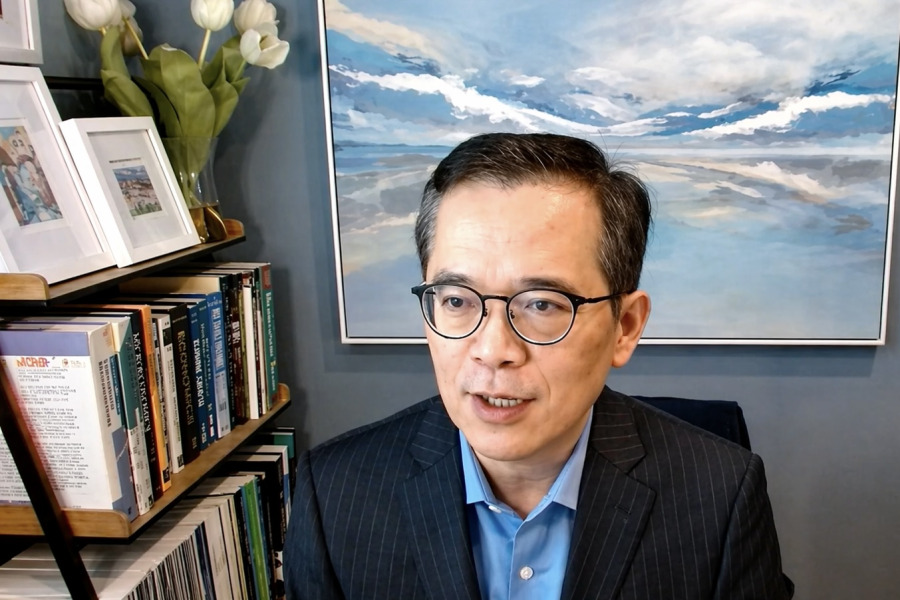
Reinhardt Lin 林昶聿
台灣科技創業者
前半導體產業從業人員
加州大學柏克萊分校訪問學者
研究美國半導體人才挑戰
附件英文内容:
An Open Letter to President Trump and the American People
America Didn’t Lose Its Chip Industry to Taiwan
Dear President Trump,
You are right about one thing: America should never lose its technological leadership.
Semiconductors are not merely another industry. They are the foundation of economic prosperity, national security, military strength, artificial intelligence, and the innovations that will define the twenty-first century. Every American has the right to ask how the United States lost so much of its semiconductor manufacturing capacity over the past several decades.
A growing number of Americans have been told that Taiwan took America’s semiconductor industry. However, the truth is – Taiwan did not take America’s semiconductor industry. Taiwan helped protect it.
As a Taiwanese who spent years working in the technology industry and who is now conducting research in the United States on semiconductor talent and industrial competitiveness, I believe that narrative gets the story exactly backward.
Before we answer that question, we should first make sure we understand the history correctly. To understand why, we must return to the origins of Taiwan’s semiconductor success.
The father of Taiwan’s semiconductor industry, Morris Chang, was a product of America itself. Before founding Taiwan Semiconductor Manufacturing Company (TSMC) in 1987, Morris Chang spent twenty-five years at Texas Instruments, one of the pioneers of the American semiconductor industry.
TSMC was not created in opposition to American technological leadership but built upon it. The relationship between America and Taiwan was never one of theft. It was one of collaboration.
During the 1980s and 1990s, the semiconductor industry faced a challenge. The cost of advanced manufacturing was rising dramatically. Building and operating cutting-edge fabrication facilities required enormous investments and increasingly specialized expertise.
American companies faced a choice. Should they continue trying to do everything themselves? Or should they focus on innovation, design, software, architecture, and intellectual property while relying on trusted manufacturing partners?
The answer transformed the industry.
TSMC pioneered the pure-play foundry model. Instead of competing against its customers, it manufactured chips for them. This seemingly simple idea became one of the most important business innovations in technology history.
Because of TSMC, a new generation of American companies could emerge. The American fabless revolution would have been far more difficult without Taiwan. Companies such as Qualcomm, AMD and NVIDIA were able to focus on designing world-changing technologies without bearing the crushing costs of owning and operating advanced fabrication plants.
Far from weakening American leadership, Taiwan helped make that leadership possible.
Consider NVIDIA. Today, NVIDIA stands at the center of the global AI revolution. Its chips power artificial intelligence systems around the world. Yet NVIDIA does not own advanced semiconductor fabs. Instead, it focuses on innovation while relying on TSMC’s manufacturing excellence.
This arrangement did not diminish America. It helped create one of the most successful American technology companies in history. Who deserves the credit? The answer is obvious.
Both do.
Without American innovation, there would be no chip. Without trusted manufacturing, there would be no product.
This is not a story of one side winning and the other side losing. It is a story of partnership. The same pattern can be seen throughout the semiconductor ecosystem.
America leads in chip design, software, equipment, and intellectual property, while Taiwan leads in advanced manufacturing. Each side contributes different strengths. Together, they created an ecosystem that no other nation has been able to replicate. For decades, this partnership allowed the United States to remain the world’s leading technological power.
There is another important fact worth remembering – Taiwan’s semiconductor success emerged because of American openness, American education, and American technological leadership. Four decades later, Taiwan became one of America’s most important strategic technology partners. Few investments have generated a greater return.
What America helped build did not become a rival. It became an ally. And that ally helped America remain the world’s technological leader for decades.
That is why the most important question today is not whether America should strengthen its own semiconductor manufacturing capabilities. Of course it should. A resilient and secure supply chain is in the interest of both America and Taiwan.
The real question is whether trusted allies should be treated as partners or as adversaries.
History offers a clear answer. Taiwan never sought to replace Silicon Valley. Taiwan never sought to become the next NVIDIA, Apple, Qualcomm, or Intel. Taiwan succeeded because it found a way to support those companies.
And in doing so, it helped preserve American technological leadership during one of the most competitive periods in modern history.
Today, the United States faces a new era of strategic competition. Artificial intelligence, advanced computing, and semiconductor technologies will shape the balance of economic and geopolitical power for decades to come.
In this environment, America should absolutely invest in its own manufacturing capabilities. Taiwan welcomes that effort. A stronger American semiconductor industry benefits not only America, but the entire democratic world.
TSMC’s multi-billion-dollar investment in Arizona demonstrates Taiwan’s commitment to America’s technological future. A nation seeking to weaken America would not invest its most advanced manufacturing capabilities on American soil. President Trump has called for rebuilding American manufacturing. Taiwan does not oppose that goal. We share it.
We are doing so because we believe a stronger America makes the democratic world stronger. And because we understand a simple reality: The greatest technological challenges of the twenty-first century cannot be solved by any democracy alone. They require trusted partnerships among nations that share common values and common interests.
America and Taiwan are such partners.
For more than forty years, our semiconductor industries have grown stronger together. There is no reason the next forty years cannot be even more successful.
Strengthening America does not require rewriting history. Nor does it require treating allies as rivals.
The truth is simpler – Taiwan did not steal America’s semiconductor industry. Taiwan helped protect it.
America and Taiwan succeeded together before. We can succeed together again. And the future of democratic technology leadership may depend on it.
Respectfully,
Reinhardt Lin
Taiwanese Technology Entrepreneur
Former Semiconductor Industry Professional
Visiting Scholar
University of California, Berkeley
Researching America’s Semiconductor Talent Challenge